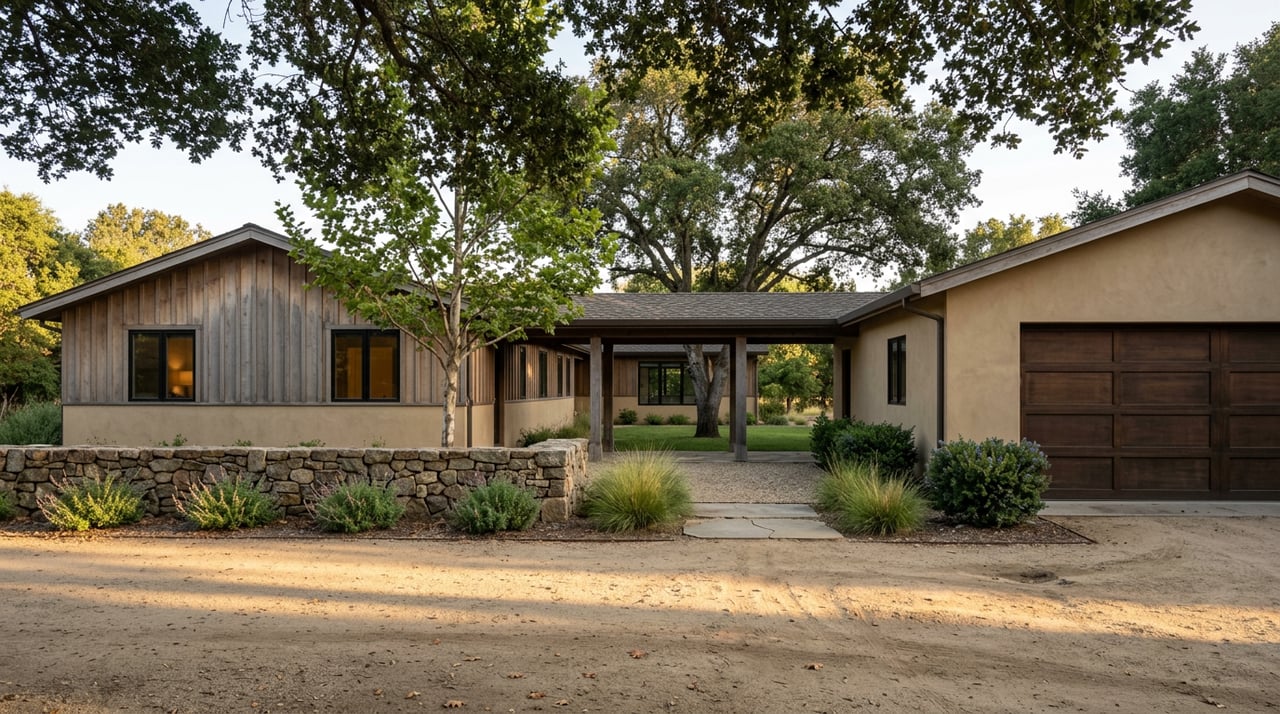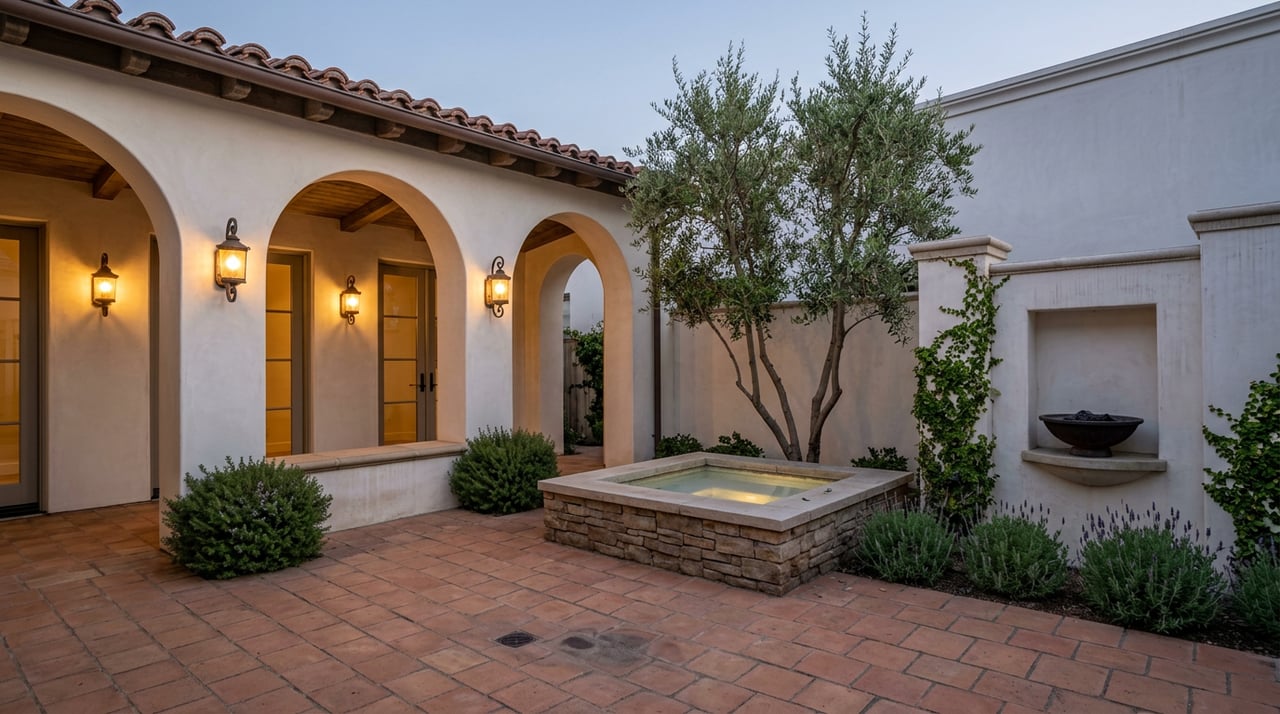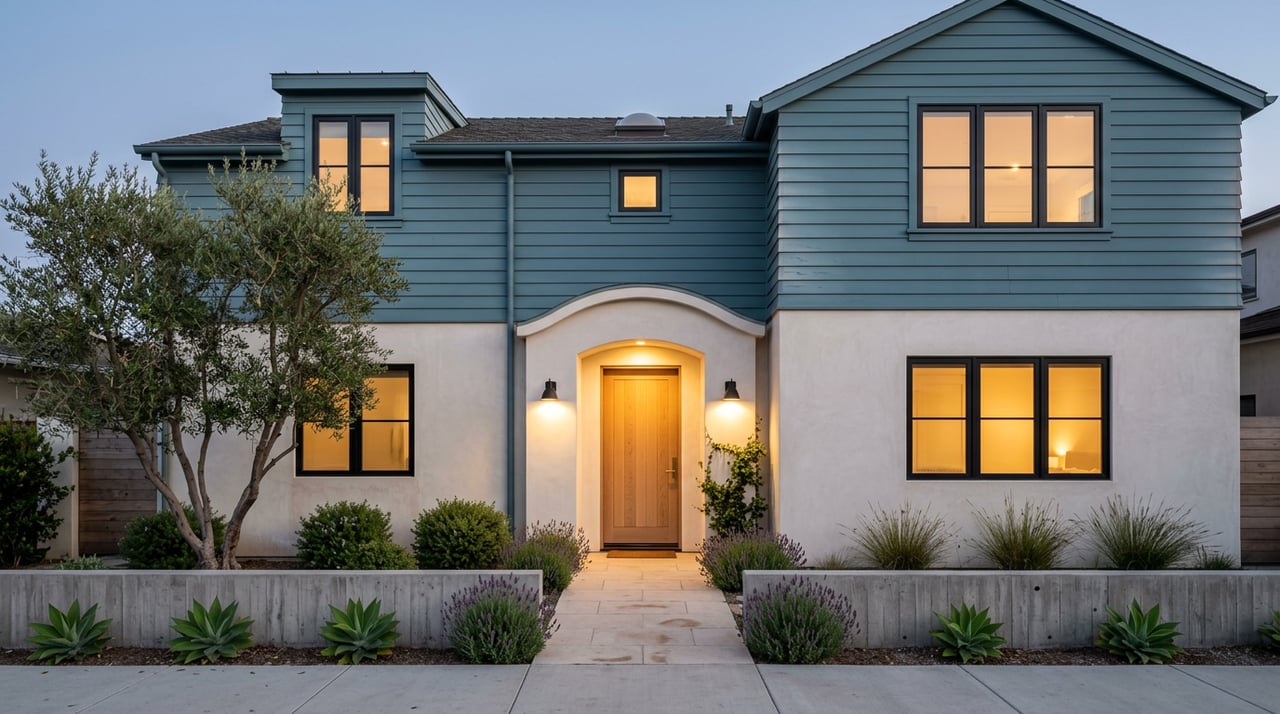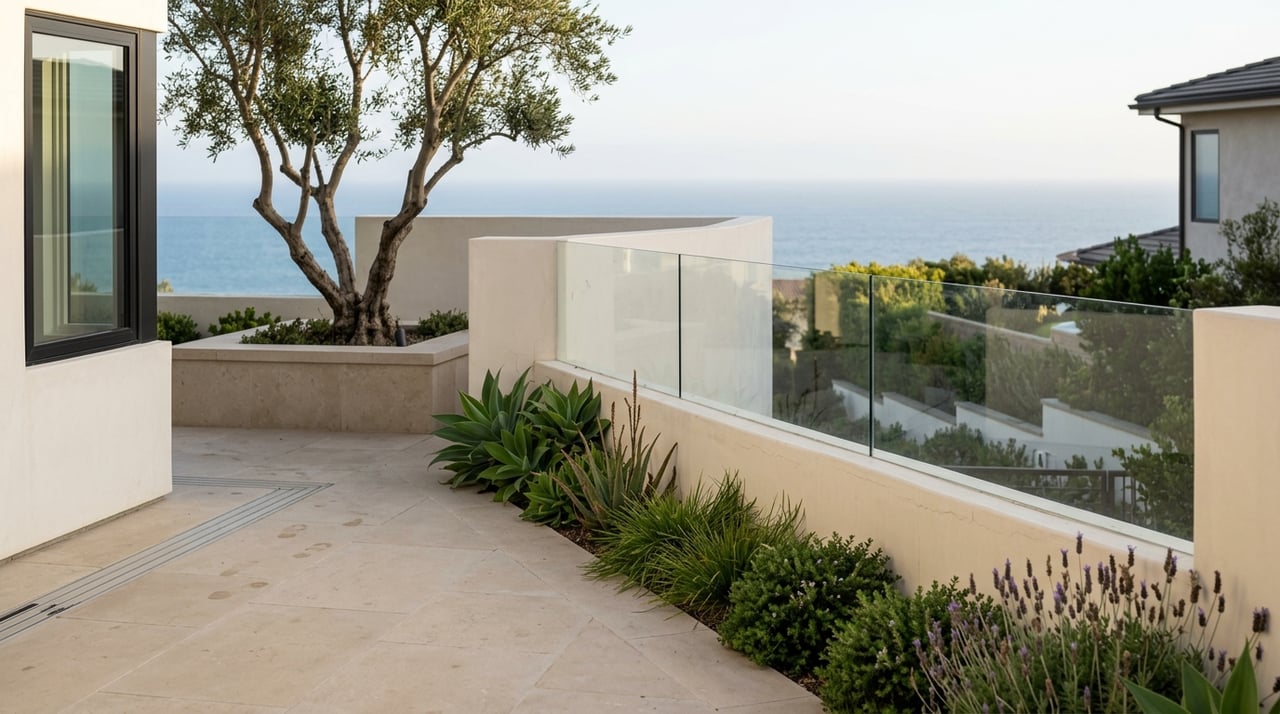
What makes one Newport Coast home trade for millions more than another that looks similar on paper? In a market where recent sales in 92657 have ranged from about $2.16 million to $38 million, the answer often comes down to the lot itself. If you are buying or selling in Newport Coast, understanding how views, elevation, privacy, and exposure work together can help you price more accurately and make better decisions. Let’s dive in.
Why views matter in Newport Coast
Newport Coast is not just another coastal neighborhood. Newport Beach identifies this area as part of the high-relief terrain of the San Joaquin Hills, with canyons, hillsides, and ridgelines that contribute significantly to the city’s visual character.
That geography creates one of Newport Coast’s biggest value drivers: the ability to capture dramatic sightlines. Depending on the site, a home may look toward the ocean, canyons, harbor, city lights, golf course greenbelts, or a more limited roofline view. In a luxury market, those differences can create meaningful price gaps.
City planning records show that views here are a real policy issue, not just a sales talking point. Newport Beach’s coastal planning documents emphasize visual quality and identify important view corridors from places like Pacific Coast Highway and Newport Coast Drive. That matters because it shows how central scenic value is to the area’s identity.
Newport Coast home values by the numbers
The current market helps explain why physical differences between homes matter so much. As of late spring 2026, Zillow’s Newport Coast home-value index was $5,606,223, up 10.3% year over year.
Other market trackers tell a similar story, even if their methods differ. Redfin reported a median sale price of $5,874,756 for the three months ending May 2026, while Realtor.com reported a $12 million median listing price, 57 active listings, and an 83-day median time on market with a 95% sale-to-list ratio in May 2026.
The key takeaway is simple: Newport Coast is a high-end market with wide pricing dispersion. When homes span such a large value range, details like elevation, view breadth, privacy, and road exposure can have an outsized impact.
How appraisers look at views
Views are not just a lifestyle feature. They are also recognized in appraisal practice as something that can materially affect value.
HUD appraisal guidance requires appraisers to identify whether a property has a view with a significant positive or negative influence on value. The reporting categories distinguish among view types such as water view, city or skyline view, mountain view, and limited sight.
That framework mirrors how buyers tend to think. A broad, unobstructed ocean view will usually be received differently than a narrow peek between rooftops. A canyon backdrop or city-light view may still be attractive, but it belongs in a different category than a panoramic water-facing lot.
What kind of view brings the strongest premium?
Research supports what many coastal buyers already suspect: broader and more durable views tend to command higher premiums. A 2024 study published in Land Economics found that a sea view added an average premium of 8.1%, rising to 15% for a wide breadth of sea view.
That does not create a fixed rule for every Newport Coast street, but it does offer a useful lens. In general, wide, unobstructed, and lasting water views tend to outperform partial, narrow, or fragile ones.
It also helps to separate frontage from view. Research on coastal housing in San Diego County found that homes that actually border the ocean sit in a different pricing tier from homes that simply enjoy a view. In practical terms, a premium view lot and a true frontage property should not be treated as interchangeable.
Why elevation changes the value story
In Newport Coast, elevation is often the reason a view exists at all. The area’s hills and ridges can create longer sightlines to the ocean, canyons, harbor, and city lights.
A higher site can sometimes deliver a more expansive visual experience. A lower or flatter site may offer easier access or a different kind of setting, but it may not provide the same dramatic horizon line.
This is why two homes with similar square footage and finish quality can perform very differently. If one sits on a ridge with a wider view corridor and the other sits lower with a more limited outlook, the lot position may account for a large part of the value gap.
Why orientation matters more than compass direction
When buyers talk about orientation, they sometimes focus too much on whether a home faces north, south, east, or west. In reality, the more important question is: what do you actually see, and from where?
A home’s value is influenced by whether the main living spaces, primary suite, and outdoor areas capture the best sightlines. Ocean from the great room usually carries a different impact than a partial glimpse from a secondary bedroom.
In Newport Coast, orientation is best understood as a market outcome. The real issue is whether the home looks toward open water, canyon space, city lights, a golf-course greenbelt, another home, or a busy roadway.
Privacy and open space can boost appeal
A great view often feels even more valuable when it comes with privacy. Newport Coast’s planning framework ties scenic quality to open space, golf-course greenbelts, setbacks, and protected hillsides.
That matters in the market because open space buffers can make a home feel more secluded and more secure in its setting. A property backed by preserved land or a broad greenbelt may offer a stronger sense of retreat than one with a similar view but closer neighboring structures.
For many luxury buyers, privacy is part of the premium. The best setting is often not just what you can see, but how protected and exclusive that experience feels day to day.
Road proximity can help or hurt
Not every elevated or visible lot commands the same premium. Proximity to major roads can change the value equation.
According to Newport Beach traffic baseline data in the city’s EIR, Coast Highway carried roughly 30,000 to 73,000 average daily trips, while Newport Coast Drive carried about 11,000 to 21,000. That does not mean nearby homes cannot be desirable, but it does suggest a possible trade-off between access and a quieter setting.
Some homes benefit from convenient positioning. Others may lose value if road noise, traffic presence, or reduced privacy weakens the sense of calm buyers expect in a coastal enclave.
View durability is a big deal
One of the most overlooked questions in Newport Coast is whether a view is durable. A beautiful outlook today may not carry the same value tomorrow if it depends on a vacant lot, landscaping that could mature, or a corridor that is not fully secure.
Newport Beach planning documents show that view corridors and scenic resources are actively considered in local planning. Still, many view-related questions are site-specific.
For buyers and sellers, this means you should treat some view premiums as more stable than others. A panoramic view protected by topography or established open space may deserve more confidence than a partial view that could be interrupted over time.
Elevation can affect more than scenery
Elevation can also shape risk and ownership costs. The City of Newport Beach participates in the National Flood Insurance Program and uses elevation certificates to determine whether a dwelling sits above or below FEMA’s base flood elevation.
In practical terms, that means elevation may influence both the visual story and parts of the insurance or underwriting conversation. This can matter more for homes in lower-lying pockets than for those positioned on higher ridges.
For a buyer, that is an important reminder that the best lot is not always just the prettiest one. It is the one where scenery, privacy, utility, and risk all make sense together.
A practical way to compare Newport Coast homes
If you are trying to estimate how much a view or elevation should matter, start by comparing homes within the same micro-location. Then adjust for the features that affect real demand.
Key factors to compare
- View type: ocean, canyon, harbor, city lights, golf course, or limited sight
- View breadth: panoramic versus narrow, and which rooms capture it
- Elevation and site position: ridge, interior lot, corner, cul-de-sac, or lower pocket
- Durability: whether the view is likely to remain open over time
- Trade-offs: road exposure, privacy, noise, access, and possible insurance considerations
This framework helps explain why two homes with similar interiors may not deserve similar pricing. In Newport Coast, a large part of the value can live outside the walls.
What this means for sellers
If you are selling, your pricing strategy should go beyond square footage, bedroom count, and recent neighborhood comps. The market may pay a premium for a better lot story, but that premium needs to be framed carefully and supported by the right comparisons.
This is also where presentation matters. A design-aware listing strategy can help buyers understand how the home captures its setting, especially when the value lies in subtle features like sightline depth, privacy, and indoor-outdoor orientation.
For some homes, pre-sale improvements may also strengthen the way the view experience reads in photos and in person. Clean window lines, refined outdoor spaces, and thoughtful staging can all sharpen the connection between the house and its setting.
What this means for buyers
If you are buying, it helps to look past the headline description. “Ocean view” can mean very different things from one property to another.
Ask practical questions as you tour homes. How wide is the view? Which rooms actually benefit from it? How private does the lot feel? Is the outlook likely to remain the same, or does it depend on conditions that could change?
In a market as broad as Newport Coast, those details can affect both current value and future resale strength. Buying with a sharper framework can help you avoid overpaying for a view that is more limited or less durable than it first appears.
If you want help understanding how views, elevation, and lot position may affect your Newport Coast home’s value or purchase strategy, the Summer Perry Group offers thoughtful, design-aware guidance tailored to coastal Orange County.
FAQs
How do ocean views affect Newport Coast home values?
- Ocean views can materially influence Newport Coast home values, especially when the view is broad, unobstructed, and visible from major living areas.
How does elevation impact Newport Coast real estate prices?
- Elevation can increase value by opening longer sightlines and creating a more dramatic setting, though the premium depends on the lot’s privacy, orientation, and trade-offs.
What is the difference between a view lot and an oceanfront lot in Newport Coast?
- A view lot enjoys a scenic outlook, while an oceanfront lot directly borders the ocean, and research suggests true frontage belongs in a different pricing category.
Why does privacy matter for Newport Coast home value?
- Privacy matters because open space buffers, setbacks, and separation from neighboring homes can make a view feel more exclusive, quiet, and durable.
Can road noise reduce the value of a Newport Coast view home?
- Yes, homes near major roads may benefit from access but can lose appeal if noise, traffic presence, or reduced privacy weaken the overall setting.
Should Newport Coast buyers worry about whether a view is protected?
- Yes, because some views are more durable than others, and a premium tied to a fragile corridor or changeable condition may not hold the same long-term value.