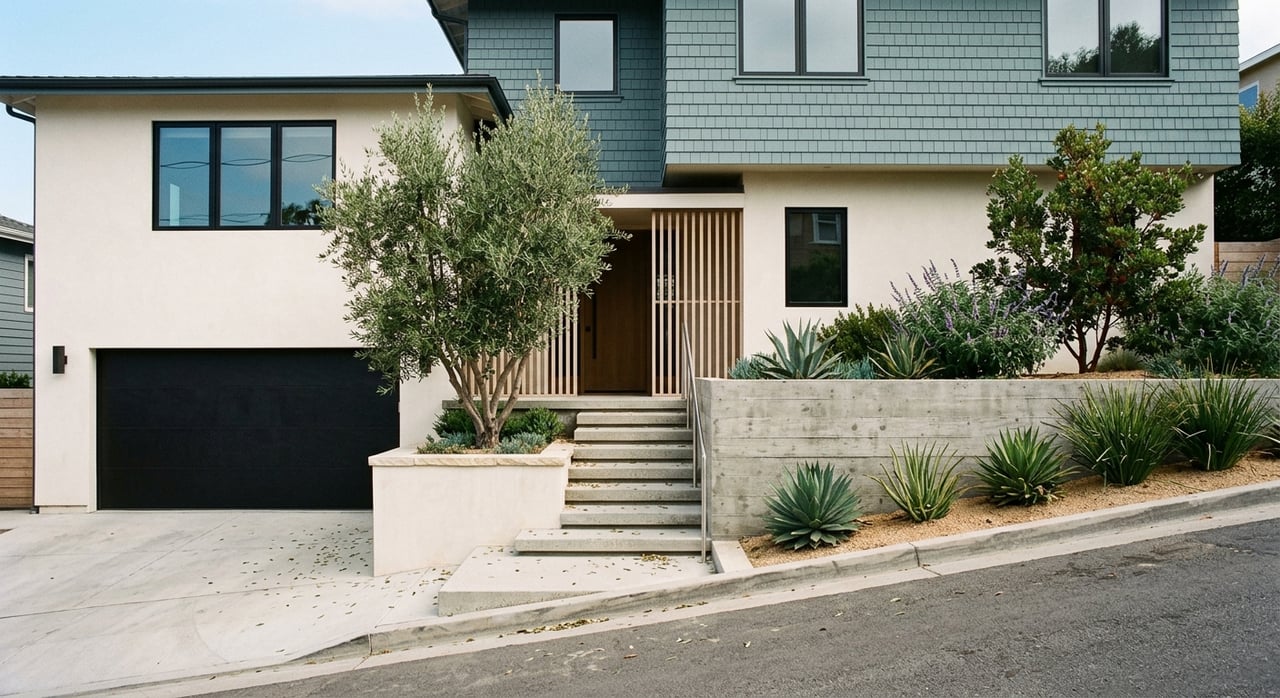
If you’re thinking about relocating to Laguna Beach, you’re probably drawn to more than just the coastline. You’re also weighing home prices, traffic patterns, parking realities, and what day-to-day life actually feels like once the vacation glow wears off. This guide will help you understand how Laguna Beach housing, commutes, and coastal living fit together so you can make a smart move with clear expectations. Let’s dive in.
Laguna Beach at a Glance
Laguna Beach is a compact coastal city of about 8.84 square miles with roughly 23,000 residents, yet it welcomes around six million visitors each year. That mix of small-town scale and high visitor traffic shapes nearly every part of daily life, from parking to beach access to how quickly you can get across town.
Housing costs reflect the city’s limited supply and strong demand. The most recent city summary reports an owner-occupied housing rate of 66.1%, a median owner-occupied home value above $2,000,000, a median gross rent of $2,986, and a mean travel time to work of 29.0 minutes.
Laguna Beach Housing Basics
Laguna Beach is not a market defined by large, uniform subdivisions. City planning documents point to an infill-oriented housing pattern with limited room for major new neighborhood buildouts, which means inventory tends to be shaped by existing homes, lot-by-lot redevelopment, and selective residential opportunities in certain commercial areas.
That matters when you start your search. Instead of seeing block after block of similar homes, you’re more likely to find a visually varied housing stock with different eras, layouts, lot conditions, and architectural styles.
Expect a Mix of Home Styles
Laguna Beach developed over time, often one home at a time rather than through standardized tract construction. According to the city’s historic resources materials, many earlier homes were rooted in the Craftsman tradition, while beach cottages became especially tied to Laguna Beach and South Laguna.
You’ll also find period-revival styles such as Spanish Colonial Revival, Mediterranean Revival, and English Tudor Revival. For buyers, that means the search is often less about picking a model match and more about deciding which setting, floor plan, and design character best fits your lifestyle.
Smaller-Footprint Options Matter Here
In a market with limited land for large new development, accessory dwelling units play a meaningful role. The city describes ADUs as granny flats, in-law units, backyard cottages, or secondary units.
If you are looking for flexibility, that can be useful context. Some buyers may value properties with an existing secondary unit or space that supports multi-generational living, guest use, or other household needs, subject to city rules and property-specific conditions.
Village vs. Hillside Living
One of the biggest decisions in Laguna Beach is not just what home to buy, but where in town you want to live. In practical terms, many relocating buyers end up comparing village and downtown convenience with hillside or canyon privacy.
Neither is universally better. The right fit depends on how you want to spend your time, how often you drive, and what tradeoffs you’re comfortable making.
Village and Downtown Lifestyle
Downtown is the city’s main convenience hub. The city describes the Downtown Specific Plan area as the focus of social, cultural, civic, artistic, and recreational activity, and the Promenade on Forest adds a pedestrian-oriented shopping and dining area between Coast Highway and Glenneyre.
If you want easier access to restaurants, shops, community events, and the beach, village locations are usually the most practical fit. Main Beach also sits close enough to downtown that the city specifically highlights walking access to nearby restaurant and shopping areas.
Hillside and Canyon Lifestyle
Hillside and canyon homes often appeal to buyers who want more privacy, broader views, or a more tucked-away setting. Those benefits can be meaningful, especially in a city where lot orientation, elevation, and street placement can dramatically shape how a property lives.
At the same time, hillside living usually comes with more practical questions. You’ll want to think carefully about road access, parking, vegetation, maintenance, and how the terrain affects daily routines.
Terrain Changes the Experience
In Laguna Beach, terrain is not just a backdrop. It directly affects views, access, maintenance, and safety planning.
The city’s Planning Division notes protections for established views from vegetation, which helps explain why view considerations can be such an important part of property ownership. For many buyers, a home’s elevation and orientation may influence value just as much as square footage.
Fire Hazard Is a Real Planning Factor
The city’s Fire Department reports that 87% of Laguna Beach’s land area is in a Very High Fire Hazard Severity Zone, with about 65% of buildable property inside that zone. If you’re considering a hillside or canyon property, wildfire preparedness should be part of your home search from day one.
That does not mean hillside living is off the table. It means you should evaluate the property with a practical eye toward vegetation management, access routes, and the everyday logistics of maintaining a home in this setting.
Parking and Beach Access Matter More Than You Think
Many relocations to Laguna Beach start with a vision of easy coastal living. The reality can absolutely be rewarding, but parking and beach access deserve close attention because they can shape your routine more than expected.
The city notes that some areas have three-hour metered parking, neighborhood parking can be very limited, and large parking lots open during the summer. It also offers a Parking App, along with Shopper Permits and some Residential Parking Permits for designated city lots and meters, though the residential permit program is limited to select downtown and Coast Highway addresses.
Why Parking Should Be Part of Your Home Search
Before you buy or rent, it helps to ask simple questions with real lifestyle impact. How many off-street spaces come with the property? How easy is guest parking? What happens during summer weekends or major event periods?
In a visitor-heavy city, parking can affect convenience, entertaining, and even your willingness to leave and come back during peak times. A home that looks perfect on paper may feel very different if everyday parking is a challenge.
Beach Access Varies by Location
Not every part of Laguna Beach offers the same relationship to the sand. Main Beach is in the center of town and close to downtown activity, while Treasure Island Beach is best reached by the ramp at the southwest corner of the Montage Resort, and Crescent Bay Beach sits near Cliff Drive and North Coast Highway at the north end of town.
That means “close to the beach” can mean very different things depending on the property. During a relocation, it helps to think beyond distance alone and consider your typical route, parking options, and how often you want to walk versus drive.
What Commutes Look Like in Laguna Beach
If you’ll be commuting regionally, road access should be a major part of your decision. The city identifies State Route 133, also known as Laguna Canyon Road, as one of the only direct routes into Laguna Beach from I-405 and SR-73.
That corridor is especially important because it serves both daily travel and evacuation needs. The city’s Protect and Connect work along Laguna Canyon Road also highlights ongoing attention to safety and multimodal improvements.
Driving Is Still Central for Many Residents
While Laguna Beach offers local transportation options, many residents still rely heavily on driving for regional access. If your routine includes offices, airports, or meetings elsewhere in Orange County, it is worth testing likely routes and travel windows before choosing a location.
The city-reported mean travel time to work is 29.0 minutes, but your actual commute can vary significantly depending on where you live in town and where you need to go. In a place with limited direct access corridors, micro-location matters.
Local Transit Helps With In-Town Movement
Laguna Beach’s local transit system can be useful for getting around town, even if it is not a full replacement for a regional commute. Laguna Local is a free on-demand shared ride service that connects residential neighborhoods with major activity centers.
The Laguna Beach Trolley runs a Coastal Route on Coast Highway between North Laguna and Heisler Park, downtown, South Laguna and Mission Hospital, and the Ritz Carlton in Dana Point. The city also operates a Canyon Route and seasonal options that connect the canyon, downtown, and peripheral parking areas.
Regional Transit Is Nearby
Regional transit options are available just outside the city limits. OCTA lists Route 89 from Mission Viejo to Laguna Beach, Route 91 from Laguna Hills to San Clemente, and Route 1 from Long Beach to San Clemente.
For rail access, nearby Metrolink stations in Irvine and San Juan Capistrano serve the Orange County and Inland Empire-Orange County lines, with connections to local bus services. If you want occasional car-light flexibility, those nearby connections may be worth factoring into your decision.
Everyday Life and Convenience
Laguna Beach offers a lifestyle that feels distinct from many other coastal markets because daily life is shaped by both convenience and culture. Downtown is not just a retail area. It is the city’s central social and activity hub.
The city also highlights a strong arts presence through organizations and events such as First Thursday Art Walk, Sawdust Art Festival, Festival of the Arts, and Laguna Art Museum. That contributes to a setting that often feels active, creative, and event-driven rather than purely residential.
Walkability Is Strongest Near Downtown
If your goal is to reduce daily driving for errands and leisure, downtown and village areas generally offer the strongest walkability. That can be a major quality-of-life advantage if you want a more connected routine with easier access to restaurants, shopping, beaches, and local events.
By contrast, homes farther into hillside or canyon settings may trade some of that convenience for more privacy or different view lines. For many buyers, the best choice comes down to whether you prioritize easy access or a more secluded feel.
How to Evaluate a Laguna Beach Move
When you relocate to Laguna Beach, it helps to evaluate each home through both a design lens and a logistics lens. A beautiful property may still need to work for your parking needs, route preferences, beach habits, and comfort with hillside maintenance.
A smart search often starts with a few grounded questions:
- Do you want to walk to downtown, dining, and the beach?
- Are views and privacy worth a more terrain-driven location?
- How important is dedicated parking?
- Will you commute frequently outside Laguna Beach?
- Do you want a home with flexible living potential, such as an ADU setup?
The clearer you are on those answers, the easier it becomes to narrow your search with confidence.
If you’re planning a move to Laguna Beach and want guidance that goes beyond the listing photos, Summer Perry Group can help you evaluate housing, location tradeoffs, and the practical details that shape everyday coastal living.
FAQs
What is the average commute time for Laguna Beach residents?
- The city summary reports a mean travel time to work of 29.0 minutes, though individual commute times vary based on route, destination, and where you live in town.
Is Laguna Beach mostly made up of tract homes?
- No. City materials describe Laguna Beach as a place that developed largely one home at a time, with a mix of Craftsman, beach cottage, Spanish Colonial Revival, Mediterranean Revival, English Tudor Revival, and other styles.
Are there transportation options within Laguna Beach besides driving?
- Yes. The city operates Laguna Local, a free on-demand shared ride service, along with trolley routes that connect neighborhoods, downtown, the canyon, and seasonal parking areas.
Is parking difficult in Laguna Beach?
- Parking can be a major lifestyle factor. The city notes that some areas have three-hour metered parking, neighborhood parking can be limited, and certain permit programs apply only to select areas.
What should buyers know about hillside homes in Laguna Beach?
- Hillside homes can offer privacy and views, but the city reports that much of Laguna Beach is in a Very High Fire Hazard Severity Zone, so access, vegetation, and ongoing maintenance are important considerations.
Which area of Laguna Beach is most convenient for walkability?
- Downtown and village areas are generally the most convenient for walking to beaches, restaurants, shopping, and cultural activity, based on the city’s descriptions of the downtown area and Main Beach access.