Imagine stepping out your door and being on the water in minutes. Around Newport Harbor, daily life blends neighborhood charm with true boating convenience, whether you keep a dinghy at a private dock or stroll to a marina village for dinner. If you are weighing a move near the bay, you likely want a clear picture of the homes, boating access, walkability, parking, and what to check before you write an offer. This guide brings it together so you can decide if harbor living fits your routine and your goals. Let’s dive in.
What harbor living feels like
Newport Harbor is a large, well‑used recreational harbor with islands, a peninsula, and marina corridors that each feel a little different. Some blocks are promenade‑style and very walkable. Others are more car‑oriented with quick access to marine services. The result is a lifestyle you can tailor: quiet island lanes, lively boardwalks, or a yacht‑ready enclave.
You will notice small-scale details that matter day to day. Which side of a canal you live on changes sun exposure and views. Bridge access can affect your bike route and grocery run. A private dock or a nearby marina can shape your weekend routine and storage needs.
Expect a seasonal rhythm. Summer and holiday weekends bring more visitors, boat traffic, and an upbeat dockside scene in visitor‑oriented pockets. Many island streets feel calmer outside peak times. Harbor rules help balance it for residents.
Micro‑neighborhoods at a glance
Balboa Island
Compact, cottage‑scale streets and Marine Avenue’s shops and cafes make quick errands and evening strolls feel natural. Lots are small, neighbors are close, and the ferry connects you to the peninsula in minutes.
Balboa Peninsula
You get both bay and ocean energy with more public beaches and attractions. Expect heavier seasonal foot traffic near activity hubs, with quieter pockets as you move away from the busiest stretches.
Lido Isle and Lido Marina Village
A private‑association island with a yacht‑centric identity. Many homes are a short walk to a tidy dining and retail village. The vibe reads residential and club‑adjacent, with a strong sense of community.
Mariners’ Mile and the PCH corridor
Practical and service‑forward. You are near boatyards, fuel, repair, and marina offices. This is convenient if you maintain a boat or prefer quick car access along Coast Highway.
Corona del Mar and Newport Coast edges
Adjacent to the harbor but with a different feel. Think village retail in Corona del Mar and bluff-top living in Newport Coast. You are close to the bay without being in the center of marina activity.
Home types and the lifestyle they support
- Cottages on narrow lots. Common on Balboa Island and older peninsula blocks. Very walkable, porch‑to‑promenade living, and easy access to local shops and the ferry.
- Condos and marina‑front townhomes. Often HOA‑managed with shared dock or guest‑slip programs. Good if you want low‑maintenance living and close water access.
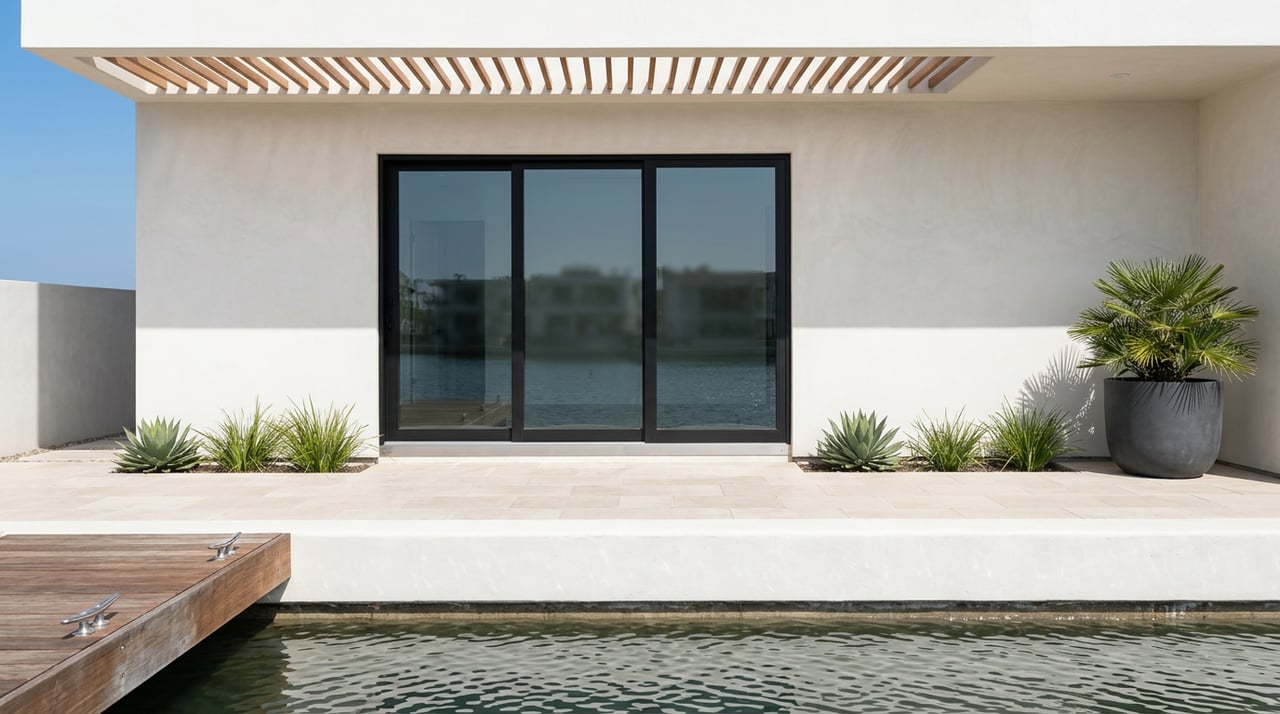
- Canal or bayfront single‑family homes with docks. Direct boat access from your backyard. Plan for routine marine maintenance and to verify dock rights and permits.
- Lido Isle and other island associations. Residential enclaves with private‑association amenities and a yacht‑ready focus.
- Oceanfront and bluff properties. A different water experience with surf and sand. Exposure and permitting considerations differ from sheltered harbor addresses.
If you are an entry or first‑time harbor buyer, you might start with a smaller condo, cottage, or townhome near the water. Boater‑oriented buyers tend to prioritize canal or bayfront homes with private docks or documented slip rights. Premium harbor addresses include private islands, larger bayfronts, and select oceanfront parcels that carry high buyer interest.
Boating access 101
Private docks and permits
Some bayfront and canal homes include private docks or recorded dock rights. Ownership brings the benefit of stepping on board from your patio. It also means you should confirm permits, transferability, and maintenance responsibilities. Review the City’s pier and dock permitting rules early and ask the seller for documentation.
Marina slips and guest berthing
If your home does not include a dock, a slip in a nearby marina works well. Availability, wait lists, live‑aboard rules, and shore power vary by marina. The City’s Marina Park guest slip program shows how transient berthing works, along with parking notes and amenities.
Moorings and anchorage
Newport Harbor has a long‑standing public mooring field managed by the City. You can secure long‑term mooring permits or short‑term rentals depending on availability. Policy and fees have been an active local topic, so confirm current terms through the Harbor Department and review Newport Beach Indy’s coverage of mooring management before you assume a mooring will pencil into your plan.
Launch ramps, fuel, and repairs
Daily boating is supported by public launch ramps, waterfront fuel docks, and shipyards. For reference, California State Parks lists public launch ramps and facilities. Routine maintenance is part of harbor life, from hull cleanings to haul‑outs and mechanical work. Local yards like Balboa Boatyard illustrate the services clustered along the marina corridors.
Live‑aboards and no‑discharge rules
Live‑aboard permits are limited and require approval and annual renewal. The harbor is a designated no‑discharge zone, and pump‑out compliance is required. If living aboard is part of your plan, start with the City’s live‑aboard permits and requirements and confirm availability. For everyday conduct, review the Harbor rules and regulations, including quiet hours and 5‑mph no‑wake zones.
Daily life: walkability, parking, and timing
For walkable waterside shopping and dining, Lido Marina Village is a standout. Marine Avenue on Balboa Island is compact and easy for daily errands, with a neighborly, promenade feel. Balboa Village and the Fun Zone run more crowded at peak times, with a livelier seasonal energy.
Parking at popular harbor lots is metered and managed by the City, and some residential pockets use permit zones. Expect seasonal pricing at municipal lots and plan for ParkMobile or kiosk payments. If you commute or travel often, John Wayne Airport is the nearest commercial airport. Depending on traffic and your exact address, most harbor neighborhoods sit within a commonly reported 10 to 25 minute drive.
Winter brings a highlight that many residents look forward to: the Newport Beach Christmas Boat Parade. The harbor becomes a nightly light show, and waterfront streets fill with spectators. It is a good reminder to consider seasonal calendars when you think about parking, guests, and entertaining.
Rules, permits, and projects to know
Before you buy a dock‑equipped property, verify that pier and dock permits are in order and that they transfer properly. If you are considering a property near a canal or baywall, ask about bulkhead or seawall condition and any recent repairs. The City runs harbor maintenance projects, and larger dredging efforts can affect navigation for a period. You can follow the current Lower Newport Bay dredging project for scope and timing.
Short‑term rentals operate under a regulated city program with permit requirements and caps. If STR income is part of your plan, confirm whether the property is in an eligible zone and what occupancy and parking rules apply. Harbor quiet‑hours and noise rules also apply to guests, which is important for neighbor relations.
Flood, elevation, and scenario planning
Harbor‑area properties can have specific flood and elevation considerations. Pull the parcel in the FEMA Flood Map Service Center to see its designation and the Base Flood Elevation. Lenders often require flood insurance in Special Flood Hazard Areas. For long‑term planning, explore site‑specific scenarios in NOAA’s Sea Level Rise Viewer. If the home sits near a seawall or bulkhead, ask for recent engineering reports and repair history.
Quick buyer checklist: ask your agent
Use this as a starting point before you write an offer near the harbor:
- Pull the parcel in FEMA and NOAA tools. Use the FEMA Flood Map Service Center and NOAA’s Sea Level Rise Viewer for a first look.
- Verify dock and pier permits. Ask for seller documentation and cross‑check with the City’s pier and dock permitting rules.
- Confirm slip or mooring reality. If a boat is part of your plan, call local marinas and the Harbor Department. Review City guest slip guidelines and recent mooring management coverage.
- Map everyday boating services. Note your nearest public launch ramp, fuel, pump‑outs, and a yard like Balboa Boatyard.
- Read association rules. Ask for CC&Rs and any special assessments related to docks, seawalls, or dredging.
Is harbor life right for you?
If you want a coastal routine shaped by the water, Newport Harbor delivers. Your choice of block and home type will define your day: a cottage on a walkable island, a condo with shared dock access, or a bayfront with a boat at your back steps. The key is matching micro‑location, boating access, and maintenance expectations to how you actually live.
When you are ready to tour homes or pressure‑test a plan for docks, slips, STR permits, or flood considerations, connect with the Summer Perry Group. Our Newport Beach team pairs local expertise with design and construction literacy to help you buy with clarity and confidence.
FAQs
What should I verify before buying a home with a private dock in Newport Beach?
- Ask for current pier and dock permits, confirm transferability with the City, and review the structure’s condition and maintenance history using the City’s permitting guidance.
Can I live aboard my boat in Newport Harbor?
- Live‑aboards are limited and require permits and annual renewal; start with the City’s live‑aboard rules and confirm availability with the Harbor Department.
How do I keep a boat near my home if I do not have a dock?
- Options include leasing a marina slip, securing a public mooring, or using short‑term guest slips; availability and rules vary, so confirm wait lists and terms first.
Are there quiet‑hours or boating speed limits in the harbor?
- Yes. The harbor enforces quiet‑hours and 5‑mph no‑wake zones in many areas, plus no‑discharge rules; review the City’s harbor regulations before you operate.
Do I need flood insurance near Newport Harbor?
- It depends on the parcel’s FEMA designation and lender requirements; check the property in the FEMA Map Service Center and discuss with your insurer and lender.
Will dredging or harbor projects affect my use of the water?
- Major projects can temporarily affect navigation or operations; monitor the City’s dredging updates and ask about timing if you own or plan to use a dock nearby.